
What does AI mean for the future of theatre?
 Shehrazade Zafar-Arif
24 November, 2026, 09:00
AI is becoming increasingly pervasive in our daily lives, and the creative industries are no exception. From art and literature to music and film, the use of AI is becoming more commonplace, raising questions about what it means for creativity, the people behind it, and the future of artistic expression. Theatre, with its emphasis on live performance and human connection, has so far felt somewhat insulated from the AI revolution. But as the technology begins to creep into more aspects of theatre-making, should the industry be worried?
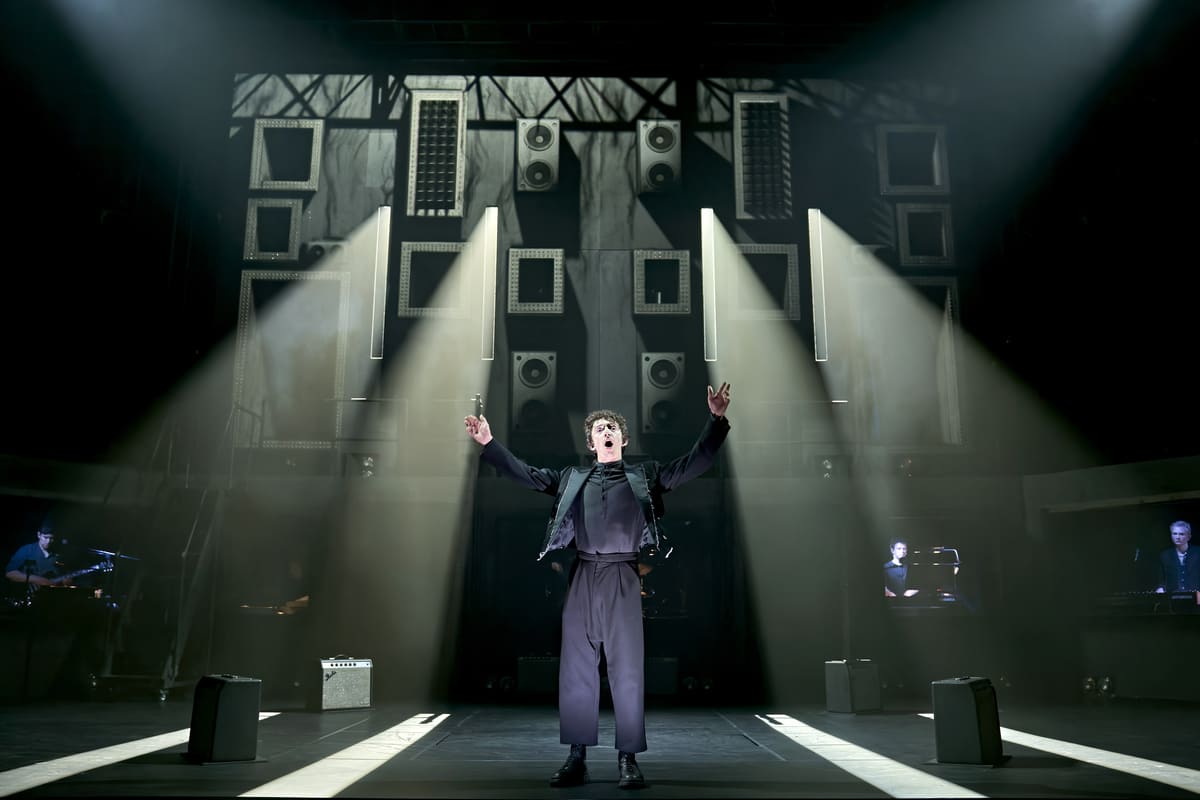 Hamlet meets Radiohead in Hamlet Hail to the Thief - could AI come up with such an idea? Photo by Manuel Harlan
Summary
- AI is becoming more pervasive in theatre-making, primarily in marking, but it's starting to seep into design and writing.
- This runs the risk of threatening creative jobs and alienating audiences, as well as resulting in a poorer quality of art.
- Live theatre is a deeply human experience and human creativity can't be substituted by AI without losing something vital in the process.
AI’s growing presence in theatre
So far, AI has predominantly been used in theatre marketing, with smaller productions and community theatres using it as a cost-effective way of creating promotional and advertising material. But the use of AI tools is beginning to seep into other elements of theatre practice, including lighting and sound design, visual effects and even scriptwriting.
The use of AI in theatre has already attracted controversy. A production of Something Rotten in Manchester faced criticism over AI-generated Renaissance-style portraits of its cast, used during the show's big number, alongside recreations of other paintings throughout the performance. Other productions, including the UK premiere of The Greatest Showman, Mischief's new comedy Thespians and last year's premiere of 13 Going on 30, have also faced accusations of using AI. The Jonathan Larson Project has similarly attracted scrutiny over generative AI elements in its photo montages and stylised bobblehead depictions of American politicians – an especially ironic choice for a production celebrating the work of a visionary artist whose legacy is rooted in human creativity.
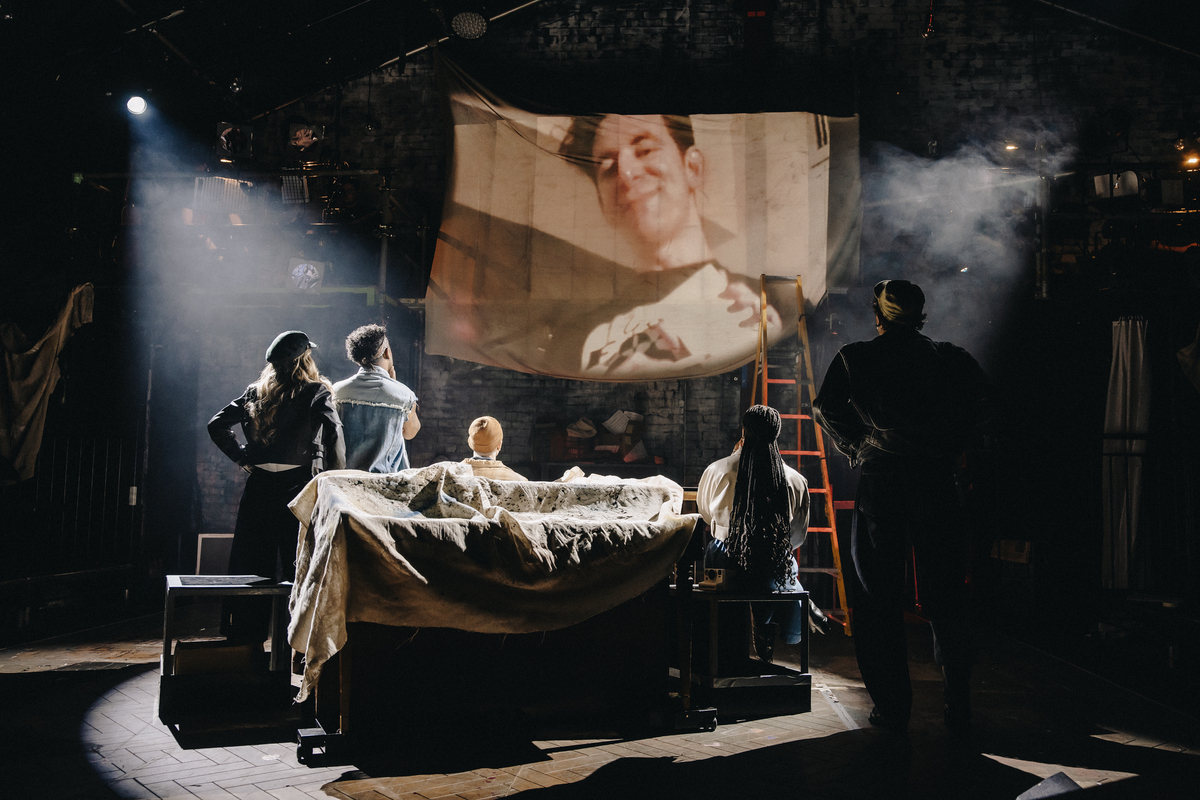 The Jonathan Larson Project, a celebration of Larson's legacy, faced criticism over AI elements. Photo by Danny Kaan
The risks of replacing human creativity with AI
There is a distinction between using technology to support the practicalities of putting on a production and allowing it to replace the creative labour behind it. When we replace this creative labour with AI, it raises questions about the value we place on human creativity. In an industry already facing financial pressures, the promise of cheaper, quicker production may be tempting, but it also risks the livelihoods of creatives who would have otherwise been employed to produce the work.
AI-generated work also runs the risk of alienating potential audiences, particularly those who value the artistry and craftsmanship behind a theatrical production. Rather than encouraging ticket sales, it risks drawing attention away from the show itself and towards the decision to use AI. And as AI becomes more pervasive, it becomes increasingly difficult to distinguish between genuine human artistry and machine-generated content, so that audiences may begin to question the authenticity of creative work even when no AI has been used. Productions could find themselves facing accusations based on suspicion alone.
But there’s an even greater and fundamental risk that comes with integrating AI into storytelling practice itself, using generative prompts to write plays or compose music: something intrinsic and valuable is lost. There is something fundamentally different about a piece of writing born out of a person's lived experience, observations, imagination and emotions. Theatre is, after all, an art form built around human stories and the complexities of being human. While AI may be capable of generating dialogue or imitating a particular style, it cannot replicate the experiences and perspectives that make those stories meaningful and unique.
At the Southbank Centre's Authorship in the Age of AI event, Writers' Guild of Great Britain president and acclaimed writer Jack Thorne described the rise of AI as a “moment of enclosure” for writers, warning that it risks destroying the profession. He highlighted the large-scale scraping of writers' work to train AI models, which he likened to theft, and argued that AI creates a vicious cycle in which the more creatives use it, the more others feel compelled to follow.
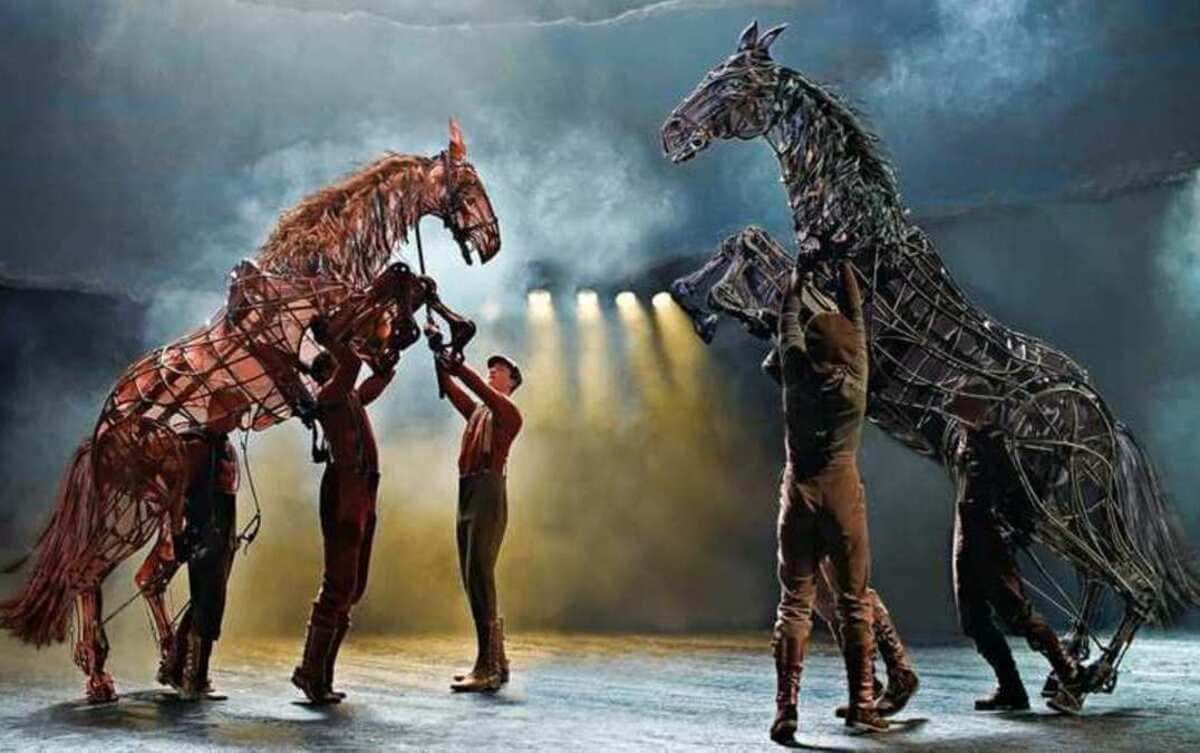 The puppetry in War Horse is a prime example of the labour, innovation, and artistry that goes into theatre-making. Photo provided by production.
What does AI mean for theatre journalists?
In an increasingly demanding industry, where deadlines are tight and workloads are heavy, it is easy to see why writers might be tempted to turn to AI for research, copywriting or even simply organising their thoughts. But particularly when it comes to theatre criticism, the human element matters.
A review is more than a summary of what happens on stage or an assessment of whether a production is technically proficient. It is an individual's interpretation of a piece of theatre: their observations, their emotional response, the details that stood out to them and the perspective they bring to the experience. Two critics can watch the same production and come away with entirely different impressions, and that subjectivity is part of what makes criticism valuable. Outsourcing that process to AI risks reducing criticism to generic observations, stripping it of the individuality that makes it worth reading in the first place.
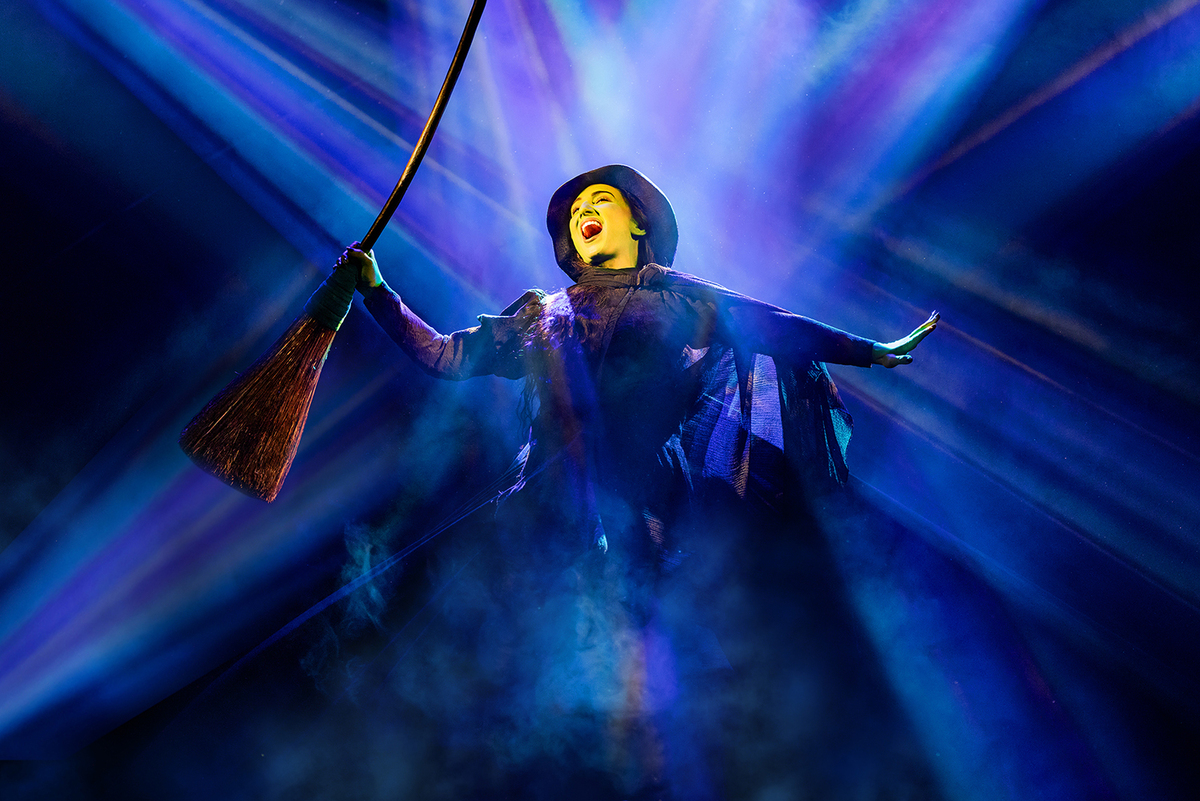 Long-running shows like Wicked have stood the test of time thanks to their ability to connect with audiences on a human level. Photo by Mark Senior
Theatre’s resistance to AI
A poll commissioned by the Royal Philharmonic Orchestra found that nearly 80% of adults believe the human creativity of music concerts and theatre will remain untouched by artificial intelligence. In an interview with The Stage, actress Danielle Fiamanya suggested that theatre could become one of the most valuable art forms in an age of AI, precisely because of its immunity to AI interference.
One can argue that the very nature of theatre means it’s inherently resistant to artificiality. It’s rooted in human connection: performers sharing a space with an audience, responding to one another in real time, and creating something that exists only in that moment. Each live performance is spontaneous and unique, and no algorithm can evoke its energy: the vulnerability of an actor standing on stage, or the shared experience of an audience laughing, crying or holding its breath together.
There is no substitute for human imagination. And if theatre is to remain a celebration of that imagination, it must be careful not to sacrifice it in the name of convenience.
Latest News
 AMERICAN PSYCHO to transfer to The Arts at Marble Arch
24 November 2026 at 10:01
 Review: THE AFRONAUTS at Royal Court Theatre
24 November 2026 at 09:46
 What does AI mean for the future of theatre?
24 November 2026 at 09:00
 What London Theatre Shows Do A Sunday Performance?
23 November 2026 at 16:45