
The West End’s Love Affair With Adaptations: Is There a Lack of Originality in Modern Theatre?
 Shehrazade Zafar-Arif
8 September, 2026, 17:22
Shehrazade Zafar-Arif
8 September, 2026, 17:22
Take a walk through the West End and you’ll find yourself looking at a sea of familiar names. Some of the biggest, highest-selling, and most talked about shows on the London stages are adaptations of existing films, books, television shows, and franchises, like The Devil Wears Prada and The Lion King, as are some of the most anticipated new and upcoming shows, like Nanny McPhee and The Greatest Showman. Disney has built a whole sub-genre of musicals adapted from their canon of animated films. These adaptations vastly outweigh the number of plays and musicals that are based on entirely original ideas.
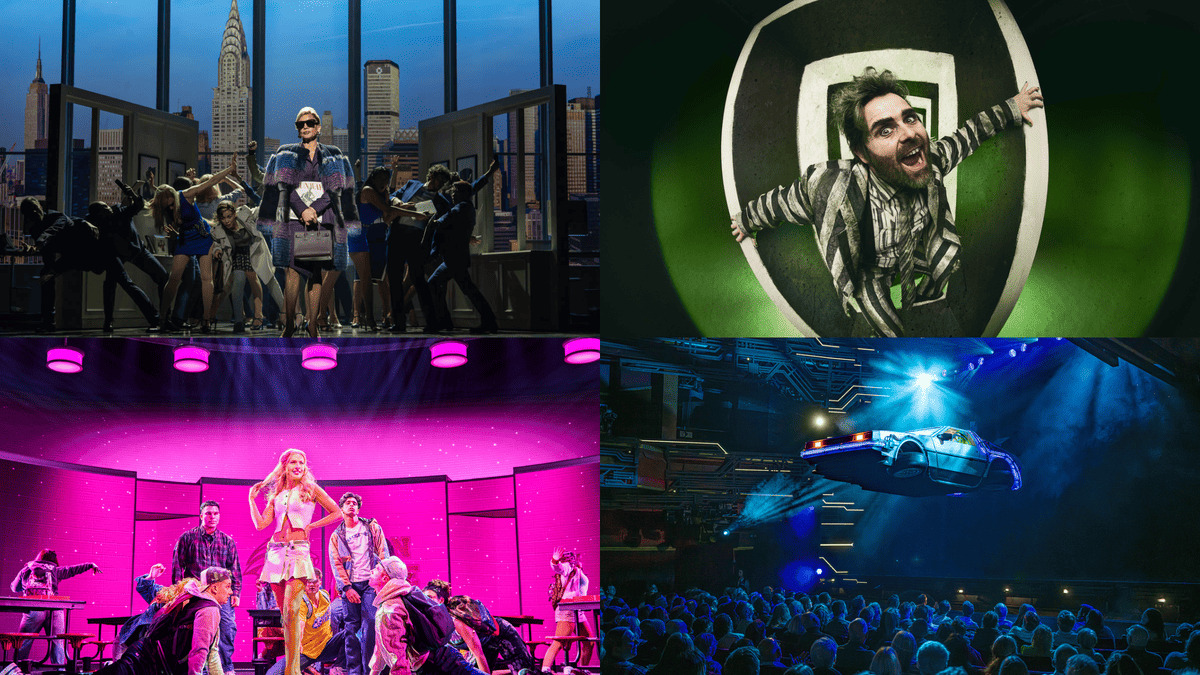 Some of the biggest West End shows are adaptations of popular films, like The Devil Wears Prada, Beetlejuice the Musical, Mean Girls the Musical, and Back to the Future: The Musical
So why is this and what does it mean for the future of the West End?
Summary
- In the West End, we're seeing more and more adaptations of existing works versus original pieces of theatre.
- There's a commercial reason for this - producers and audiences are more risk-averse about where they invest their time and money.
- The danger of this trend is that we see theatre become more homogeneous, with less space for original stories.
There’s an obvious commercial reason for this trend. Producers are more willing to invest money in an IP that they know will generate ticket sales than take a risk on something unknown. When the cost of living is high and ticket prices are soaring, are audience members more likely to watch a musical with a brand new, unfamiliar story that they may or may not enjoy, or bank on a retelling of a film or book they already know and love? And with production costs also high, especially for large-scale blockbuster shows which producers hope will have a long run in order to cover these costs, production houses have become risk-averse. Theatre-making as a whole has become a lot safer and therefore often less innovative.
We see this in the film industry as well, with Hollywood constantly churning out remakes, reboots and sequels of films with a proven track record of success. The Devil Wears Prada and Practical Magic both saw sequels come out this year, about two decades after the original films premiered. The Harry Potter series is getting a television reboot this Christmas. Disney, once again one of the biggest perpetrators of this trend, has been consistently producing live-action remakes of their animated films.
However, it feels like we're starting to see a sense of reboot fatigue in the film world, with audiences increasingly becoming cynical about sequels and remakes 'ruining' the sanctity of the original film. It's highly possible this cynicism might start trickling over into theatre audiences. Just look at Trainspotting the Musical, which recently cancelled its UK tour due to low ticket sales and poor reviews for its London run - with the lesson being that certain pieces of media just don't work in the theatre medium, and simply don't need to be adapted.
But audiences have also become more risk-averse. With limited time and money, not to mention the decision fatigue of having so many options for media to consume, we inevitably gravitate towards things we know we'll enjoy, because we've enjoyed it before already. There's also a psychological component to it - there's something comforting about the familiar and predictable; it's why we tend to re-watch our favourite TV shows over and over.
Nostalgia is another factor. That's why we're seeing so many musical adaptations of classic Disney films like The Lion King or Hercules, and of popular films made between the late '80s and early 2000s, like Heathers, Beetlejuice, or Mean Girls. It's not just nostalgia for those stories, but for the time periods they were made in, and the fond feelings evoked by the aesthetics of that era. They particularly appeal to those who grew up with those films - specifically millennials, who now have the money to afford theatre tickets.
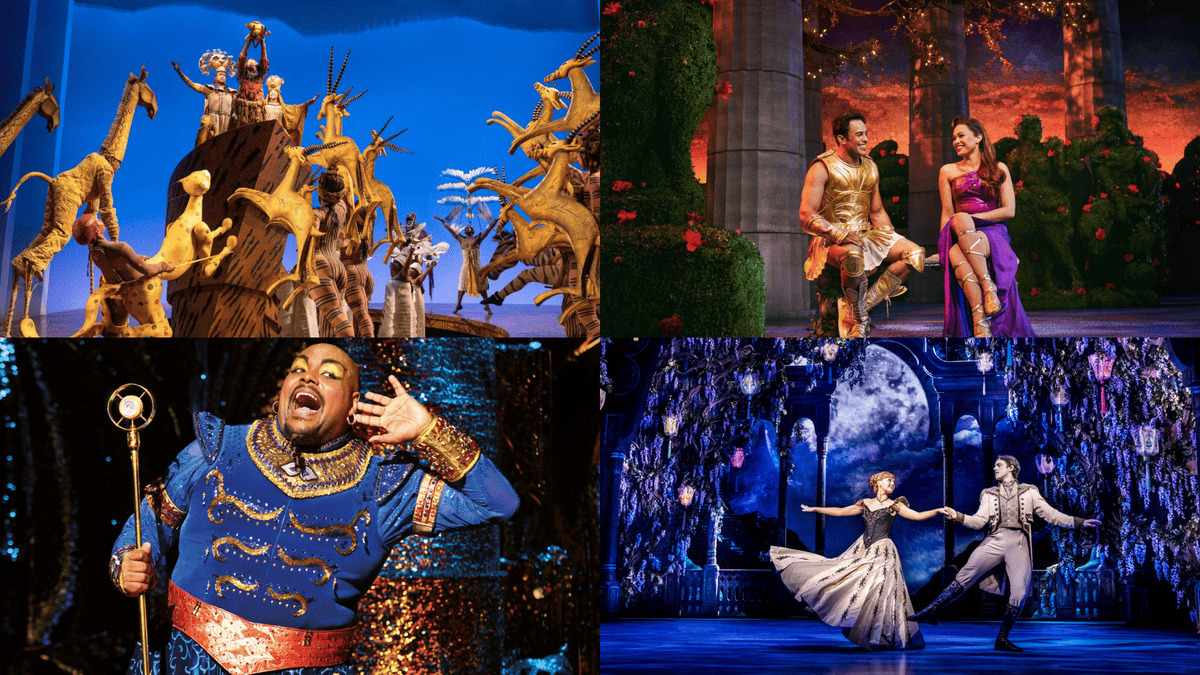 Disney has built a huge market for adaptations of its animated films, like The Lion King, Hercules, Aladdin, and Frozen.
It's a bit of a vicious cycle. Supply and demand. Consumers value the familiar, and that's what the market gives them, with theatre advertising playing on our sentimentality towards adaptations: 'Remember that movie you loved as a kid? Well, here it is again, with songs!' That's not to say that we're being manipulated - there is undeniably a joy in seeing your favourite story retold through a new medium, especially something as dynamic and energetic as theatre.
Nor does that mean there's anything wrong with theatre adaptations, but the downside of this trend is that it means there's now a shrinking market for original works. The risk is that theatre may eventually become as homogeneous as Hollywood is starting to be, losing the creativity and flair that we love about it. It also disadvantages those who are already underrepresented in the wider theatre industry: small independent companies, up and coming creatives, and playwrights from diverse backgrounds.
How many new and interesting plays and musicals have we lost out on simply because they weren't linked to an existing IP? So many of the greatest works of theatre started out as an original idea in someone's mind before becoming popular, renowned, and globally recognised - RENT, Who's Afraid of Virginia Woolf?, and The Importance of Being Earnest being just a few examples.
Then again, all works of art are inspired in some way by what came before them. Art doesn't exist in a vacuum; it is constantly in conversation with the vast and interlinked canon that surrounds it. Les Misérables and The Phantom of the Opera are based by 19th and 20th century French novels. Jesus Christ Superstar and Hadestown put their own spin on biblical history and Greek mythology respectively. Hamilton and Oh, Mary! borrow inspiration from real-life historical events. But all these pieces of theatre stand alone as independent works in their own right, rather than associating themselves with their original source material. Their success is completely unrelated to audiences' ability to reocognise this source material, and that's what makes them feel original.
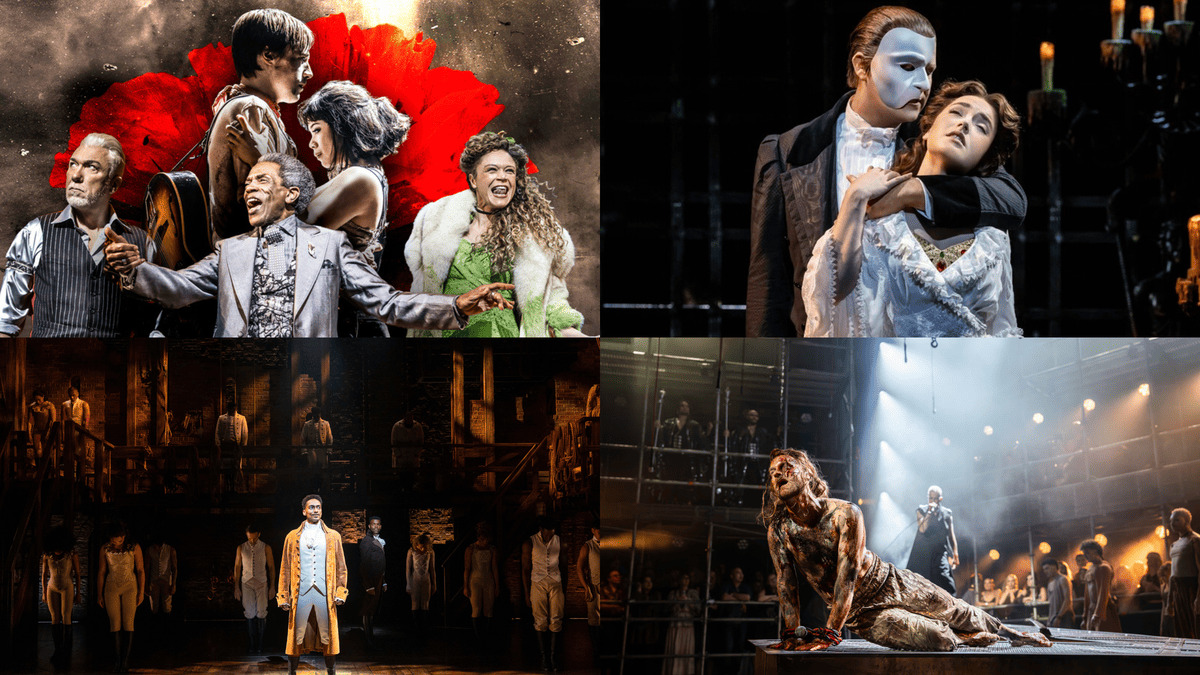 Musicals like Hadestown, The Phantom of the Opera, Hamilton, and Jesus Christ Superstar borrow inspiration from mythology, literature, history, and the Bible while still maintaining a sense of originality
What we need, then, is a balance - between adaptations, original works, and all the things that fall in between, whether it's inspiration from literature, film, mythology, or history, a modern retelling of a classic, or a unique take on a familiar story where the creator's own voice shines through. One of the best things about theatre is its diversity of storytelling, and that's something the West End can't afford to lose.
Latest News
 Review: ILFORD BOY at Donmar Warehouse
23 October 2026 at 12:59
Review: ILFORD BOY at Donmar Warehouse
23 October 2026 at 12:59
 Review: DERREN BROWN: ONLY HUMAN at Apollo Theatre
22 October 2026 at 23:00
Review: DERREN BROWN: ONLY HUMAN at Apollo Theatre
22 October 2026 at 23:00
 Secret Cinema announces initial casting for DISNEY'S PIRATES OF THE CARIBBEAN: THE IMMERSIVE ADVENTURE
22 October 2026 at 14:48
Secret Cinema announces initial casting for DISNEY'S PIRATES OF THE CARIBBEAN: THE IMMERSIVE ADVENTURE
22 October 2026 at 14:48
 THE MOUSETRAP celebrates 75th anniversary with new cast, director, and redesign
22 October 2026 at 14:24
THE MOUSETRAP celebrates 75th anniversary with new cast, director, and redesign
22 October 2026 at 14:24