
DEAR JACK, DEAR LOUISE at Arcola Theatre

One word springs to mind for Ken Ludwig’s two-hander DEAR JACK, DEAR LOUISE, a romantic epistolary dramedy set during World War Two: Adorable! While not a groundbreaking story, it is earnest, sweet and (for the hopeless romantics in the audience), edge-of-your-seat engrossing.
 Artwork provided by production.
In 1942 Jack Ludwig’s parents suggest that, to ease his boredom while working as a doctor on an Oregon army base, he write to the daughter of an acquaintance of theirs. The woman in question is Louise Rabiner, a New Yorker desperate to make it on Broadway. The play follows Jack and Louise’s correspondence over the next couple of years, as the pair’s letters bring them closer while careers, families, and that darn World War gets in their way.
Much like the recent production of Dear Liar at Jermyn Street Theatre, DEAR JACK, DEAR LOUISE (which is inspired by the true story of Ludwig’s parents) is based on letters. This means that some sections of the play are a monologue as one character writes to the other. However, Ludwig isn’t wedded to this technique and his decision to chop-up the letters to create dialogue, keeps things energised. It also allows for rapport to build between Jack and Louise, making their blossoming romance believable. It’s heart-melting to watch Jack and Louse’s zeal in planning a date night for their long-awaited first meeting.
Ludwig explores Jack’s experience of tedium and loneliness at the army base, frustration due to rejected leave requests, and his eventual terror as he’s sent to the front line. A generous playwright, Ludwig also explores Louise’s experiences of war — her feelings of limbo at the lack of news, and fury over the seeming never-endingness of the conflict. But it’s not all doom and gloom, as Ludwig’s warm and funny script gives plenty of time to explore Jack’s large family (a brief tangent in which he writes to his eleven aunts to instruct them on what not to say during Louise’s visit to them is especially amusing) and Louise’s burgeoning acting career. The showbiz world of the 1940s — half-glamour, half-hampered by war — was a particularly interesting element of Louise’s side of the exchanges.
Preston Nyman (Jack) and Eva Feiler (Louise) are lovely as the titular couple. Their performances differ in tone with Nyman more muted, while Feiler’s Louise is theatrical and cheeky. You can imagine how Louise’s family and audiences find her equally charming and annoying. These different styles work well given the distance and communication limitations between the pair. Feiler especially has a beautiful expressiveness to her face, whether Louise is flirting with Jack, comically outraged at professional betrayal by her room-mate, or reacting to a letter’s devastating news.
Two hours is probably long enough for a play of this style, though the story’s climax is rather hurtled-through, limiting its impact. Meanwhile, some of the directing and design choices, especially in the lighting, could be more ambitious.
DEAR JACK, DEAR LOUISE is a heartfelt, personal play, and its delightful performances by Feiler and Nyman will make audiences laugh, cry, and want to give their loved ones a hug — or indeed, send a letter.
Continues at the Arcola Theatre until 2nd May with a running time of just under 2 hours including interval.
Latest News
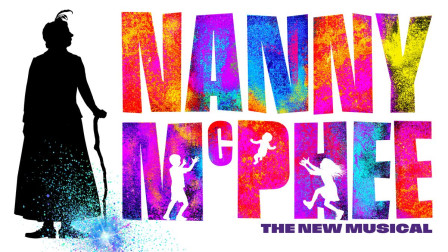
 NANNY MCPHEE musical confirms dates and venues
12 October 2026 at 14:50
NANNY MCPHEE musical confirms dates and venues
12 October 2026 at 14:50
 Sacha Baron Cohen to star in Quentin Tarantino's THE POPINJAY CAVALIER
12 October 2026 at 12:30
Sacha Baron Cohen to star in Quentin Tarantino's THE POPINJAY CAVALIER
12 October 2026 at 12:30
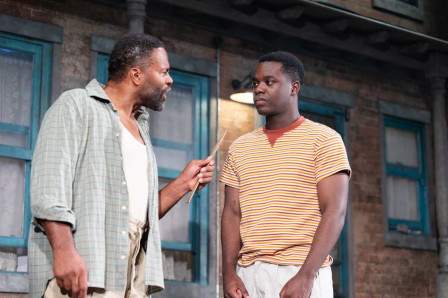
 Review: FENCES at Lyric Hammersmith
10 October 2026 at 13:08
Review: FENCES at Lyric Hammersmith
10 October 2026 at 13:08
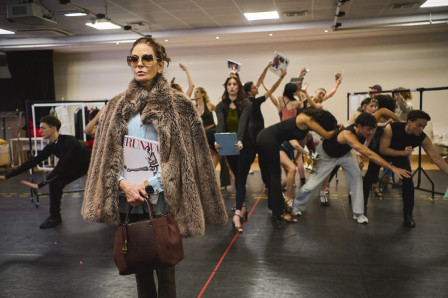 Rehearsal photos released for THE DEVIL WEARS PRADA
9 October 2026 at 13:17
Rehearsal photos released for THE DEVIL WEARS PRADA
9 October 2026 at 13:17